What Flood Insurance Actually Pays: 1.4 Million NFIP Home Claims
How often NFIP claims pay, the typical payment, why some pay nothing, and every state and county since 2000.
Private Flood Insurance vs. NFIP: When a Private Policy Makes Sense
Higher limits, lender rules, switching without losing money, and how often the NFIP's $250,000 cap actually runs out.

What Does Flood Insurance Cover? Building, Contents and the Basement Gap
Building vs contents, the basement list, what's never covered, and FEMA's own reasons claims go unpaid.
Elevation Certificate: What It Is, Who Fills It Out and What It Costs
The FEMA form that records how high your building sits above the flood level, how to find one on file, and what FEMA's claims show about each foot of height.
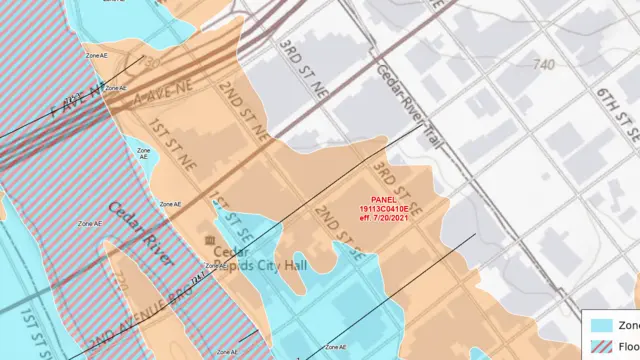
How to Read a FEMA Flood Map (FIRM)
The panel number, the zone colors, floodways and flood elevations, read off a real FEMA map of downtown Cedar Rapids.
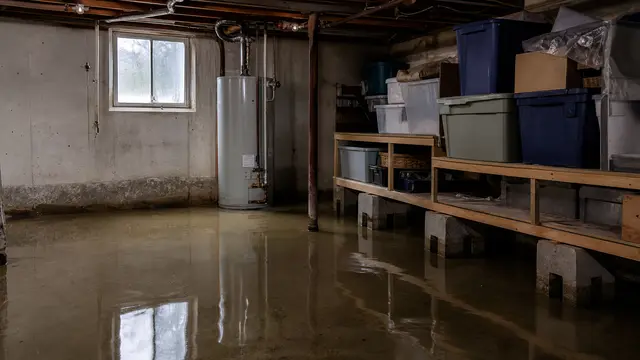
Flood Insurance in Zone X: Do You Need It?
Not required, but a quarter of all NFIP claims come from Zone X and its older equivalents. What the claims file shows.

What Is the NFIP? The National Flood Insurance Program Explained
How FEMA's flood insurance program works, who has to buy it, what it covers, and what 2.7 million claims show.
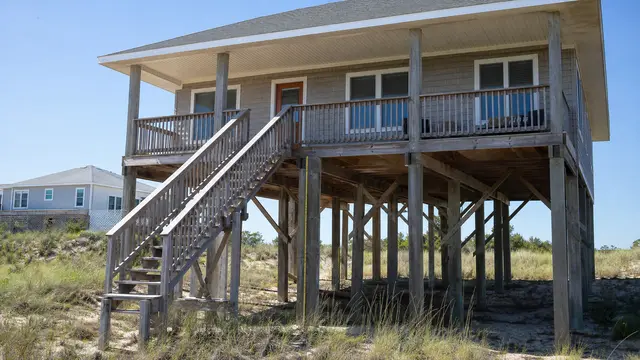
What Is Base Flood Elevation (BFE)?
The height FEMA expects floodwater to reach in a 1%-annual-chance flood: how to find yours, read it, and why it matters.
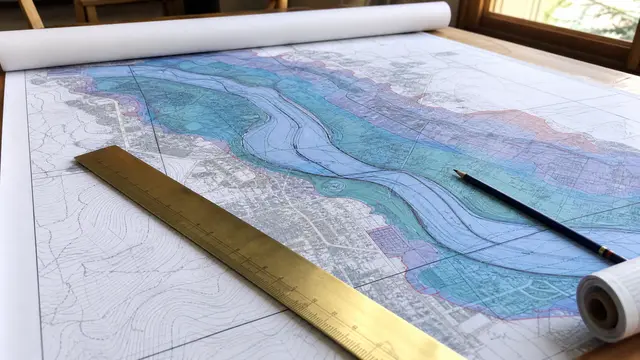
FEMA's Flood Maps Are a Regulatory Document, Not a Forecast
Why FEMA's flood map and your property's actual flood risk aren't the same thing — and what to read alongside it.

How Much Does Flood Insurance Cost?
How Risk Rating 2.0 prices flood insurance, why the zone no longer sets the rate, and what you can do to lower your premium.
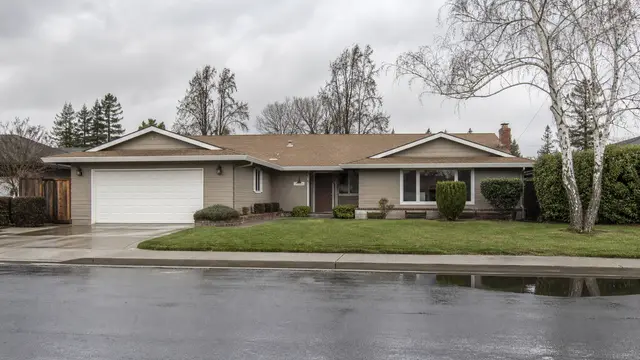
Do I Need Flood Insurance?
When flood insurance is legally required vs. strongly recommended, and the real cost of going without it.
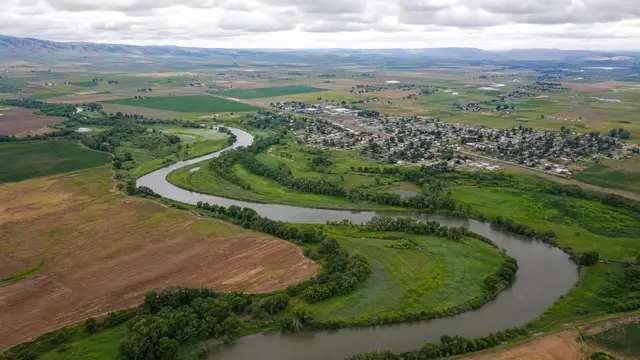
What Is a Special Flood Hazard Area (SFHA)?
Which zones qualify as SFHA, why it triggers mandatory insurance requirements, and how to get removed via LOMA.
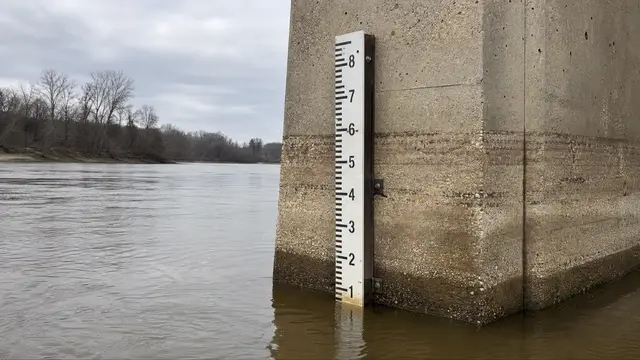
What Is a 100-Year Flood? (It Doesn't Mean What You Think)
Debunking the most common flood risk misconception: why "100-year flood" doesn't mean what you think, and what the math actually says.
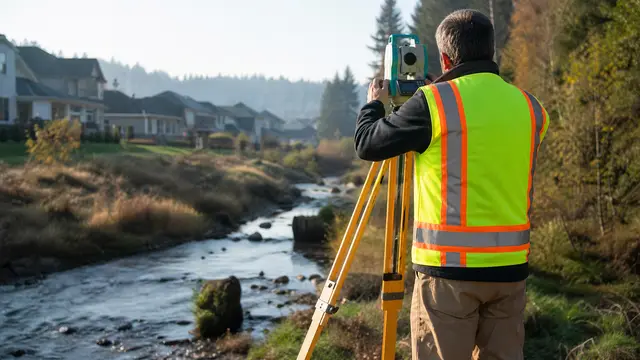
Flood Zone A vs AE: What's the Difference?
Both are high-risk SFHA zones, but Zone AE has Base Flood Elevations determined while Zone A doesn't. The difference matters for insurance and construction.
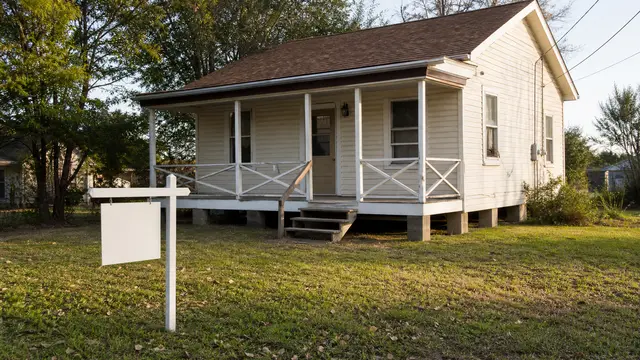
Buying a House in a Flood Zone: What You Need to Know
Mortgage requirements, insurance costs, questions to ask sellers, elevation certificates, and negotiation strategy for flood zone purchases.

What Is a 500-Year Floodplain?
The 500-year floodplain explained — what the probability actually means, why it's misleading, and why 25% of flood claims come from outside high-risk zones.

Zone X Shaded vs Zone X Unshaded
The difference between FEMA's two Zone X categories — the 500-year floodplain (shaded) vs minimal risk (unshaded) — and what it means for insurance.
Check Your Property's Flood Zone
Free instant lookup using official FEMA data